
In the race to build smarter cities, technology is doing more than just streamlining traffic or optimizing energy use, it’s playing a starring role in preserving our cultural heritage, especially those stunning old buildings that tell the story of our past.
Enter drone based 3D modeling with oblique photography, a fancy way of saying: flying cameras that take pictures of buildings from every angle to create super-detailed, realistic 3D replicas. Why? Because preserving architectural heritage isn’t just about snapshots or dusty blueprints; it’s about capturing every nook, cranny, and texture of these priceless structures before time or disaster takes its toll.
Step One: Planning the Flight Like a Detective
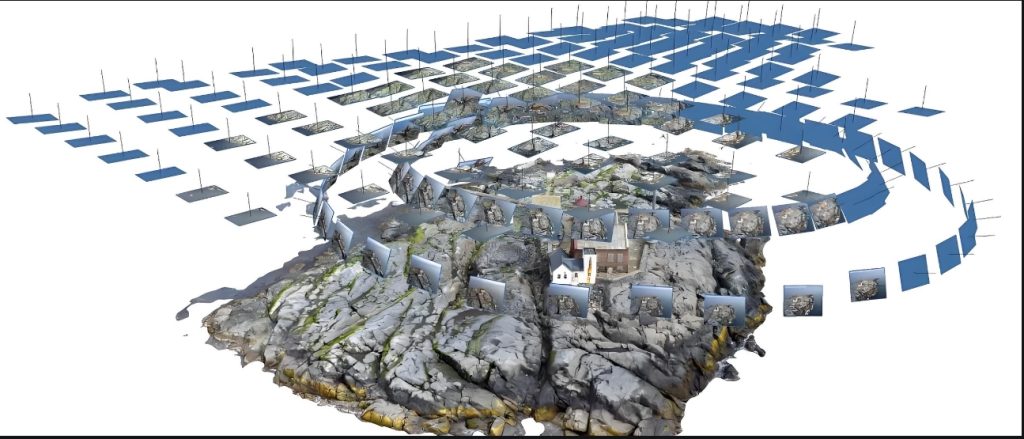
Before a drone takes off, experts scope out the site like investigators on a mission. They study the building’s shape, height, and surroundings to plan precise flight paths. This ensures drones capture images from multiple angles—side views, rooftops, and everything in between, because one straight down photo won’t cut it for preserving details like ornate carvings or delicate facades.
Step Two: Flying High, Shooting Wide
Using drones equipped with five-lens cameras, teams collect overlapping images, imagine multiple selfies of a building from slightly different perspectives. These overlapping shots (at least 80% overlap!) guarantee that every architectural detail shows up in several photos, providing enough data to reconstruct a faithful 3D model. At the same time, GPS and flight data get logged to pinpoint exactly where each photo was taken.
Step Three: The Magic of Multi-Angle Imaging
Buildings aren’t flat, they have balconies, arches, reliefs, and sometimes tricky parts like overhangs or open windows. The drone’s oblique photos capture these features from multiple directions, ensuring nothing important gets lost in translation. Tall towers or complex rooftops get scanned layer by layer, so the final model is accurate from ground to tip.
Step Four: Building the Digital Twin
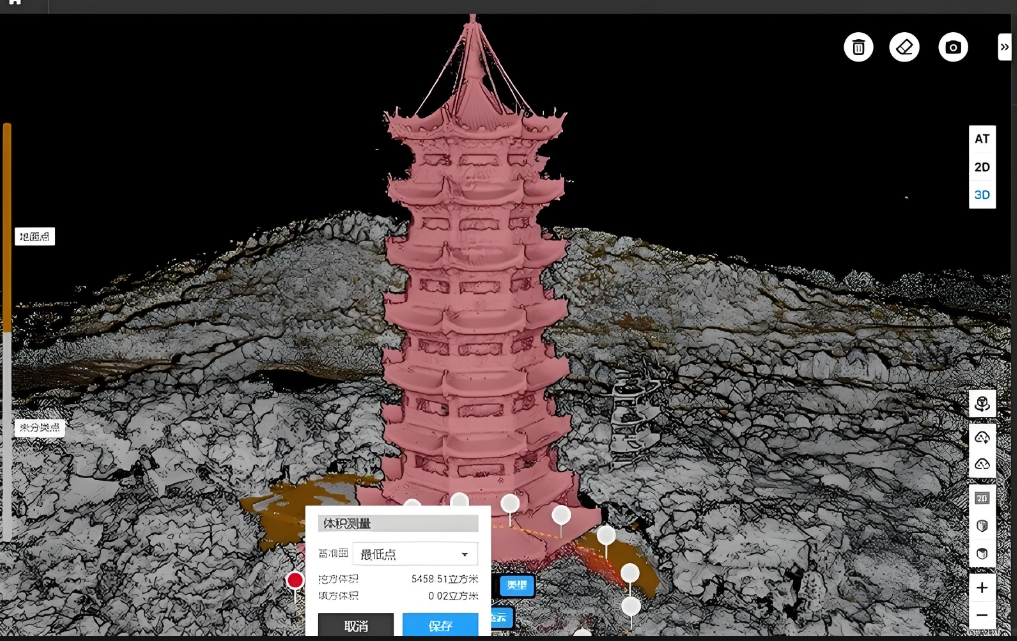
Next up: advanced software matches points in overlapping images to calculate camera positions, then generates millions of 3D points that shape a digital skeleton of the building. This mesh gets “skinned” with realistic textures from the photos, creating a virtual twin that looks and feels like the real thing.
Step Five: Quality Check and Preservation Ready
Once the 3D model is stitched together, it undergoes quality checks to fix gaps or distortions. The final product is a highly detailed digital archive, perfect for architects, historians, and conservationists who want to study, restore, or even recreate the building if disaster strikes.
Why This Matters for Heritage Protection
Old buildings can be fragile, threatened by weather, urban development, or natural disasters. Having an accurate 3D digital model is like giving them a protective shield in the digital realm. If restoration is needed, architects can reference the model to ensure every detail is preserved. In case of damage, the digital twin can guide reconstruction, preventing loss of irreplaceable cultural value.
Moreover, these models make heritage accessible worldwide. People who can’t visit in person can explore architectural wonders virtually, think of it as a time machine and museum rolled into one.
In a Nutshell
Thanks to drones and cutting edge 3D modeling, protecting architectural heritage has never been more high-tech, precise, or efficient. These flying cameras don’t just capture images, they capture history, culture, and the soul of our cities, helping us safeguard the past for generations to come.
So next time you spot a drone buzzing near a historic site, remember: it’s not just taking pretty pictures, it’s helping save our cultural treasures, one pixel at a time.